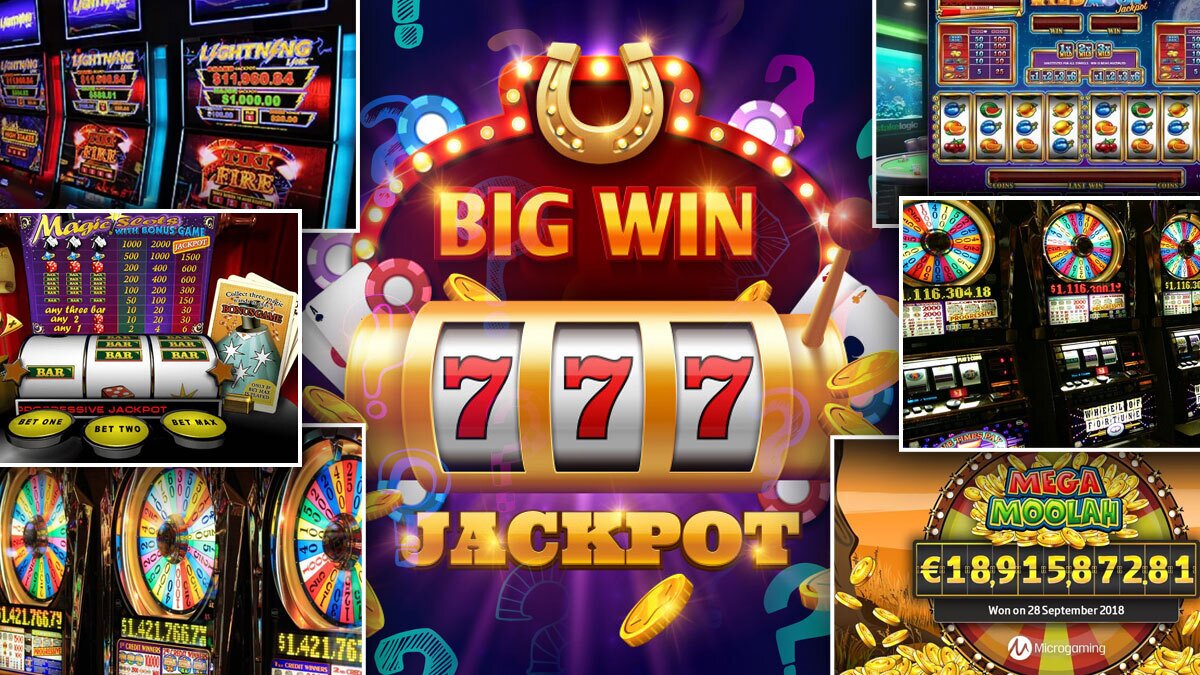

A slot’s paytable is its rulebook: it explains what symbols can pay, how wins are formed, and what features may activate. Spending a minute with it before playing can prevent confusion later—especially when a game uses unusual paylines, special symbols, or bonus rounds. Here’s a practical way to read one without mistaking its features for a promise of returns.
Start with the win pattern
Look for the section showing how matching symbols create a win. In a traditional paylines game, the paytable may show lines crossing the reels and specify that matching symbols must land along one of those lines. Check whether wins count from left to right, from either direction, or under another stated rule. Don’t assume every visible cluster is a winning combination.
Some slots use ways-to-win or cluster mechanics instead of fixed lines. A ways game may count matching symbols on adjacent reels, while a cluster game may require a group of touching symbols. The paytable should explain the pattern and any minimum number of symbols required. If the diagram is unclear, open the game’s help or rules panel before wagering.
Identify the symbols that change the rules
Paytables often distinguish regular symbols from special ones. The names and effects vary by game, so rely on the game’s own description rather than assumptions.
- Wild symbols may substitute for some other symbols, but the rules can exclude special symbols or limit where a wild appears.
- Scatter symbols may trigger a feature based on how many appear, sometimes without needing to land on a payline.
- Bonus symbols may start a separate round or feature. Check whether the paytable states a minimum count or a particular reel arrangement.
- Multipliers and expanding symbols can affect a win or a reel, but the conditions for their effect matter as much as the headline description.
Read the conditions alongside the symbol artwork. A symbol that looks important does not tell you how it works; the written rules do.
Check the stake and feature conditions
Find out whether the displayed payouts are based on your total stake, a coin value, or another unit. Games present this information differently, and misunderstanding the basis can make a payout table appear more generous or less generous than it is. Check the bet controls and rules together so you know what amount a displayed example refers to.
Also look for rules tied to wager size. A feature may require a particular bet level, or a game may explain that some prizes or features are unavailable at certain settings. Do not raise a stake just to chase a feature unless that amount is already within a limit you chose beforehand.
Separate return information from a session forecast
If the game lists a return-to-player figure, treat it as a theoretical measure described by the game—not a prediction of what will happen in your next session. It does not tell you when a win will arrive or how much a short run of spins will return. Our guide to slot RTP and what the figure means explains the distinction.
Likewise, a paytable’s large possible prize does not show how often it occurs. The spread of outcomes is a separate idea often discussed as volatility or variance. See how slot variance affects the play experience for more context. A progressive jackpot, if present, has its own rules; the game’s information should explain what qualifies and how the prize is awarded. Learn more about how progressive jackpot slots work.
A quick paytable checklist
- Can you explain exactly what pattern creates a basic win?
- Do you know what each wild, scatter, and bonus symbol does—and what limits apply?
- Are the listed payouts expressed in a way you can connect to your chosen stake?
- Have you checked whether any feature depends on bet size or a specific symbol count?
- Do you understand that RTP and maximum prizes do not predict an individual session?
If any answer is no, pause and revisit the rules or try a no-cost mode if one is available. And before playing for money, decide on a spending limit and a stopping point. A readable paytable helps you understand the game mechanics; it cannot make an uncertain outcome predictable.